When pressurized washing machine hoses rupture, dishwasher circulation pumps fail, or hidden refrigerator ice maker supply lines leak behind built-in kitchen cabinetry, gallons of water saturate subfloors and migrate beneath custom millwork. Restore Crest deploys commercial negative-pressure toe-kick injection drying systems, FLIR infrared thermal imaging, and high-capacity LGR dehumidifiers across Dallas, Highland Park, University Park, Preston Hollow, and Lakewood within 45 minutes to salvage custom cabinets, protect hardwood floors, and eliminate mold risks without unnecessary demolition.

Speak directly with an on-duty field supervisor. Immediate dispatch across North Texas in under 45 minutes.
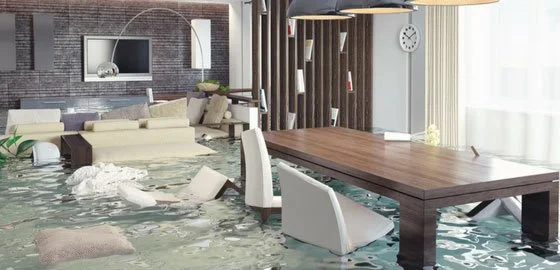
Why washing machine floods, dishwasher pump backups, and slow ice maker seepage cause catastrophic sub-surface structural damage before water is ever spotted on the kitchen floor.
Modern household appliances operate under continuous municipal water pressure, quietly circulating hundreds of gallons of hot and cold water through pressurized rubber hoses, solenoid valves, plastic quick-connect compression fittings, and internal drainage pumps. In luxury residences across Dallas, Highland Park, Preston Hollow, and Lakewood, appliances are rarely freestanding utility boxes; they are tightly integrated into custom architectural millwork, surrounded by quartz waterfall islands, furniture-grade cabinetry, and premium site-finished hardwood flooring. When an appliance component fails—whether through the violent split of a braided washing machine supply line or the microscopic pinhole dripping of a quarter-inch refrigerator ice maker copper tube—water behaves according to the unyielding laws of hydrodynamics and capillary action. The primary flood occurs unseen, escaping beneath decorative baseboards and migrating under kitchen cabinet boxes long before surface puddles spread across open tile, demanding immediate coordination with our full-scale emergency water damage restoration specialists.
Unlike an open-room plumbing spill, appliance water is physically trapped within enclosed building cavities. Consider a standard built-in dishwasher installed under a granite countertop: the appliance sits in a recessed cavity resting on a subfloor platform that is frequently lower than the finished floor. When the internal circulation pump seal deteriorates or the water inlet float valve malfunctions, water discharges directly into the appliance drip pan or onto the raw plywood subfloor. Because the front of the dishwasher is sealed with an insulation blanket and a decorative toe-kick panel, escaping water cannot readily pool forward into the kitchen walkway. Instead, lateral hydrostatic pressure drives the water backward toward the wall cavity and sideways beneath adjoining custom base cabinets. Capillary attraction pulls moisture into the unsealed medium-density fiberboard (MDF) core of decorative cabinet kick plates, custom wood veneers, and structural floor joists. Left untreated, trapped moisture triggers aggressive toxic mold spore outbreaks within the dark, humid voids beneath kitchen islands within forty-eight hours.
The architectural vulnerability is magnified in North Texas multi-story residences and properties built over pier-and-beam foundations. Second-story laundry room failures represent one of the most destructive residential emergencies handled by our dispatch center. When an upper-level washing machine supply hose ruptures while the family is away from home, the municipal water main discharges water at forty to sixty pounds per square inch (PSI), releasing eight to twelve gallons of water per minute. Gravity pulls this massive volume downward through laundry room subfloors into sub-ceiling floor assemblies, saturating fiberglass batt insulation, dissolving ceiling drywall gypsum, and raining water downward into formal dining rooms and living spaces below. In these catastrophic scenarios, our emergency crews coordinate simultaneously with our specialized burst pipe cleanup crews and structural ceiling drying technicians to avert sudden structural drywall collapse.
Preserving these high-end materials demands an advanced scientific approach rather than destructive tear-out demolition. Inexperienced contractors routinely respond to kitchen appliance floods by ripping out thirty thousand dollars worth of custom solid-wood cabinets, prying off stone countertops, and tearing up hardwood floors down to the foundation. At Restore Crest, our scientific restoration protocol is founded on non-invasive structural preservation. By combining micro-invasive cavity injection drying systems with calibrated industrial dehumidification and vacuum extraction mats, our IICRC-trained master restoration specialists extract trapped moisture from beneath cabinets and subflooring in place. We restore residential structures across our comprehensive Dallas-Fort Worth service areas back to certified dry standards while keeping custom kitchens intact through our integrated emergency restoration services.
Different appliance failures present radically different fluid volumes, biological contamination levels, and structural migration pathways.
Dishwasher leaks typically fall into two categories: sudden mechanical drain line blowouts or slow, chronic door gasket and float switch seepage. When drain lines rupture, wastewater filled with dissolved food grease, alkaline detergents, and bacteria saturates the hidden cabinet floor, qualifying as Category 2 grey water. Because dishwashers sit recessed within narrow cabinet cavities beneath quartz or granite countertops, water travels laterally under kitchen base cabinets, wick-absorbing into toe-kicks and plywood subflooring. Without immediate high-velocity cavity injection drying, kitchen cabinetry experiences permanent swelling, veneer delamination, and subfloor rot.
Washing machines are connected to pressurized hot and cold supply lines that remain continuously charged at full municipal water pressure. Standard rubber hoses degrade over three to five years, developing micro-cracks before suddenly bursting at the crimped metal coupling. A ruptured supply line discharges over 500 gallons of pressurized water in under an hour. In second-story laundry rooms throughout Preston Hollow and Plano, this water overwhelms overflow pans, saturating the floor and cascading down into lower levels. If the discharge hose dislodges during the spin cycle, grey water containing organic soil and laundry detergents inundates carpets and custom hardwood flooring.
Refrigerator water lines represent the most deceptive appliance water disaster because they frequently drip undetected for weeks or months behind heavy built-in appliances. Semi-rigid quarter-inch polyethylene plastic lines become brittle, kink behind the refrigerator coil, or develop hairline cracks at the compression nut fitting. Reverse osmosis filtration systems installed beneath sinks operate with complex multi-stage tubing that can weep continuously. By the time dampness appears along kitchen baseboards, the subfloor beneath the refrigerator is thoroughly saturated, drywall paper has decayed, and subterranean black mold colonies have colonized the wall cavity.
The severity of appliance leak damage is dictated by the composition of the subfloor and cabinetry framing. Medium-Density Fiberboard (MDF) and particleboard toe-kicks act like sponges; once water penetrates their unsealed bottom edges, the wood fibers undergo irreversible thickness swelling that cannot be sanded flat. Plywood subflooring can withstand short-term moisture exposure if dried rapidly under vacuum extraction, but prolonged saturation dissolves phenolic glues, causing subfloor delamination and spongy floor spots. On concrete foundation slabs common across Dallas, appliance water spreads in a thin film across the concrete under tile or glue-down engineered wood. The non-porous finish traps moisture against the concrete, forcing vapor pressures upward and destabilizing flooring adhesives unless extracted by our concrete slab drying specialists.
Every phase is engineered according to IICRC S500 standards to extract standing moisture, dry building cavities in place, and preserve high-end millwork.
Upon arrival within 45 minutes, our technicians isolate dedicated appliance shutoff valves or the property main water line to halt incoming flow. We secure electrical breakers feeding the kitchen or laundry circuit to eliminate electrocution hazards. Truck-mounted extraction units and weighted vacuum wands immediately remove standing surface water from tile, stone, and wood floor surfaces, relieving surface hydraulic pressure.
We never guess where water traveled. Our specialists utilize high-resolution FLIR radiometric thermal cameras to map evaporative cooling signatures along cabinet bases, wall studs, and subfloors. Miniature optical borescopes are inserted through microscopic gaps behind toe-kicks to visually inspect the sub-cabinet cavity for standing water, mold growth, and insulation saturation without removing cabinetry.
To save high-end custom cabinetry from demolition, we utilize precision positive-pressure cavity drying systems (such as the Injectidry HP-PLUS). We remove only the thin decorative kickplate facing and create unobtrusive five-eighths-inch drying ports behind the toe-kick. Heated, desiccated airflow is injected directly beneath the cabinet boxes, forcing trapped moisture out through perimeter expansion seams.
When appliance water seeps beneath oak hardwood, engineered planks, or natural stone tile, we deploy hermetically sealed vacuum injection drying mats directly over the wet floorboards. Industrial negative-pressure vacuum blowers pull trapped water out through the tongue-and-groove joints from the subfloor up, reversing plank cupping and preventing floorboard replacement.
Trapped moisture is extracted from ambient air using commercial Low Grain Refrigerant (LGR) dehumidifiers capable of reducing indoor relative humidity below 35%. HEPA-filtered commercial air scrubbers run continuously to capture airborne particulate, dust, and potential fungal spores, maintaining pristine indoor air quality in gourmet kitchens and living areas throughout the drying phase.
To prevent microbial colonization without introducing harsh synthetic chemicals into food preparation zones, we treat all exposed wall cavities and sub-cabinet voids with EPA-registered botanical antimicrobials (Benefect thymol-based formula). Daily moisture logs track the psychrometric decline until deep Delmhorst pin probes verify the wood has returned to its dry baseline standard.
Taking correct steps in the first 30 minutes prevents structural destruction and protects personal safety.
We combine military-grade infrared thermal imaging, calibrated deep-penetration resistance meters, and optical borescopes to eliminate guesswork.
Water cooling through natural evaporation creates subtle temperature differentials across building surfaces. Our FLIR thermal cameras detect these thermal gradients, generating real-time visual heat maps that reveal the exact boundary of moisture migration behind tile backsplashes, within interior wall cavities, and beneath kitchen cabinets without drilling a single test hole.
Surface moisture meters only tell part of the story. Our technicians employ Delmhorst resistance meters equipped with insulated slide-hammer probes. The insulated shafts penetrate through finished flooring to measure electrical resistance at the core of the subfloor assembly, verifying whether water has saturated the plywood or concrete sub-base beneath custom kitchen installations.
When water migrates beneath built-in appliances or large island cabinetry, visual verification is crucial. We insert flexible optical borescopes equipped with LED illumination through existing plumbing penetrations or micro-ports. This allows us to inspect cabinet bottoms, subfloor structural joists, and insulation for standing water and fungal colonization without cabinet removal.
Authentic jobsite photography from residential appliance flood deployments across Dallas, Highland Park, and Plano.
We believe in absolute financial transparency. You receive a complete written, line-item estimate prior to equipment deployment with zero surprise fees or hidden surcharges.
Ideal for minor refrigerator ice maker line drips or small dishwasher overflow contained to finished tile or vinyl flooring with zero cabinet cavity migration.
Designed for dishwasher or sink leaks where water migrated beneath kitchen cabinets, islands, and subfloors, preserving custom millwork without demolition.
For catastrophic washing machine supply hose bursts affecting multiple rooms, second-floor ceilings, subfloors, and adjoining living spaces.
We accept all standard direct payment methods including major credit cards, bank wire transfers, and corporate invoicing. You review and authorize all pricing line items upfront before technicians begin work. Review verified client feedback on our reviews and testimonials page.

"Appliance leaks require precision surgical mitigation. When a dishwasher or refrigerator leaks, standard contractors immediately recommend ripping out thirty thousand dollars worth of custom kitchen cabinets and countertops. In over 85% of cases where we arrive promptly, our positive-pressure cavity injection systems and vacuum drying mats pull moisture directly out from under the cabinets and subfloor without tearing anything out. I personally verify every drying zone with deep-probe resistance meters before signing off."
Accurate technical guidance on cabinet preservation, drying timelines, microbial safety, and upfront restoration costs across Dallas, TX.
Yes. In the majority of appliance flood scenarios where water is addressed within twenty-four to forty-eight hours, custom kitchen cabinets can be preserved 100% in place. Rather than tearing out stone countertops and custom millwork, we utilize precision toe-kick injection drying systems (such as Injectidry HP-PLUS). By removing only the cosmetic toe-kick trim and inserting unobtrusive air ports beneath the cabinet boxes, we circulate warm, desiccated air directly into the saturated sub-cabinet void, drying the framing and subfloor without structural demolition. Learn more on our Restore Crest company background page.
Under scientific IICRC S500 structural drying protocols, drying kitchen cabinetry and subflooring typically requires three to five days of continuous operation. Plywood subfloors and framing timbers release bound moisture slowly. Our technicians check the site daily using non-destructive radiofrequency meters and deep Delmhorst resistance probes to log psychrometric readings, ensuring drying continues until materials reach certified dry equilibrium standards.
Dishwasher discharge water is classified as Category 2 grey water. It contains dissolved food grease, food particles, alkaline detergent chemistry, and active bacterial colonies. While clean supply line water is Category 1 initially, once it passes through the wash cycle or pools on subfloors dissolving dust and particulate, it quickly degrades into grey water. This requires immediate extraction and treatment with EPA-registered botanical antimicrobials to prevent pathogenic bacterial growth.
Washing machine supply lines are under continuous static water pressure of 40 to 60 PSI, which spikes even higher during the sudden closure of internal solenoid valves (water hammer). Over three to five years, standard rubber hoses undergo polymer degradation and thermal fatigue from hot water cycles. Eventually, a microscopic bubble forms near the crimped metal coupling, leading to a catastrophic blowout that releases hundreds of gallons of water per hour. We recommend replacing standard rubber hoses with reinforced braided stainless steel lines.
Yes, if treated promptly. Hardwood cupping happens because the bottom of the wood board absorbs moisture from the wet subfloor and expands while the top face remains drier. By deploying hermetically sealed negative-pressure vacuum mats (such as Dri-Eaz floor drying systems), we extract moisture directly upward through the plank pores. As the subfloor dries and moisture content equalizes throughout the thickness of the plank, the boards relax and flatten back down without requiring floor replacement. Review our full methodology in our hardwood floor water restoration service guide.
Fungal spores, including Aspergillus, Penicillium, and Stachybotrys chartarum, germinate within twenty-four to forty-eight hours when moisture is introduced to organic materials (drywall paper, unsealed wood framing) at ambient North Texas indoor temperatures. Because refrigerator ice maker leaks frequently seep unnoticed for weeks, mold is commonly discovered already colonizing the drywall cavity. If microbial colonization has occurred, our crews seamlessly transition to certified mold remediation protocols under negative air containment.
When a second-floor washing machine or bathroom appliance overflows, water follows gravity through the floor decking into interstitial ceiling assemblies below. Saturated fiberglass insulation traps moisture against ceiling drywall, threatening catastrophic ceiling collapse. Our technicians deploy controlled relief weep holes to drain trapped water safely, extract saturated insulation, and run desiccant dehumidification to dry structural floor joists in place.
Yes, 100%. We provide a complete written, itemized flat-rate estimate prior to activating any extraction equipment or dehumidifiers. Our pricing is determined strictly by measurable project parameters: affected square footage, the quantity of commercial drying equipment required, and labor hours. You approve every line item upfront with zero surprise fees or unexpected surcharges.
Yes. If high-value dining room furnishings, area rugs, or custom barstools are in danger of secondary humidity damage or must be cleared to allow full-floor vacuum mat setup, our dedicated pack-out division manages full inventorying, protective wrapping, and climate-controlled storage through our content restoration pack-out services.
Absolutely. We routinely manage high-volume commercial dishwasher ruptures, industrial ice machine failures, and restaurant kitchen water intrusions across Dallas and surrounding business corridors. Our large-loss mobile extraction platforms operate 24/7 through our commercial water damage restoration division to minimize business downtime and health code compliance interruptions.
Restore Crest operates mobile rapid-response rigs staged strategically across Dallas County, Collin County, Tarrant County, and Denton County for under 45-minute dispatch.
Trapped water beneath kitchen cabinets or laundry floors causes permanent wood warping and mold germination within hours. Speak directly with our on-duty Restore Crest Dallas field supervisor right now. We arrive in under forty-five minutes with commercial injection drying units.
Fill out the details below. Our on-duty Dallas supervisor will contact you immediately.