When a pressurized 50-gallon tank ruptures or a corroded supply line shears open, continuous municipal water pressure pumps hundreds of gallons of scalding water across your living spaces in minutes. Restore Crest deploys industrial truck-mounted vacuum extraction units, Injectidry hardwood rescue mats, and thermal imaging diagnostics across Dallas, Highland Park, University Park, Preston Hollow, Lake Highlands, and North Dallas within 45 minutes to halt water migration, extract standing deluge, and structurally dry saturated building assemblies with zero demolition.

Speak directly with an on-duty field supervisor. Immediate dispatch across North Texas in under 45 minutes.
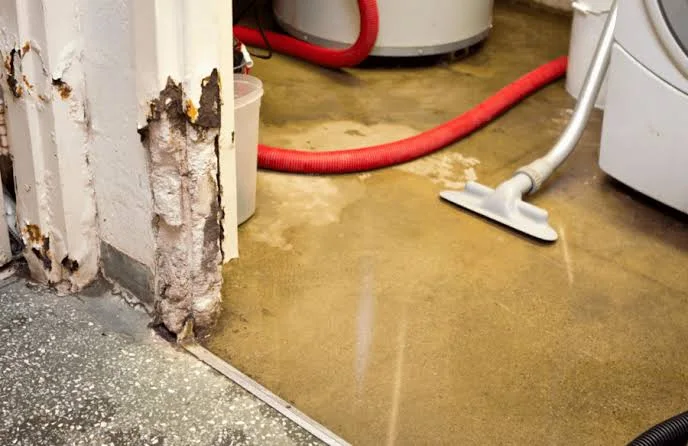
Understanding why water heaters fail catastrophically and why a ruptured tank unleashes hundreds of gallons beyond its stored tank capacity.
A catastrophic water heater failure is rarely a modest, self-contained drip. Across North Texas properties—from historic 1920s Tudor residences in Lakewood and sprawling mid-century ranch homes in Preston Hollow to modern luxury builds in University Park—a ruptured water heater represents an active, pressurized plumbing crisis. While a standard residential tank contains 40, 50, or 75 gallons of heated domestic water, the true disaster begins when the bottom weld seam splits or the cold water supply flex line shears. Because modern domestic plumbing maintains an unbroken pressurized connection to the Dallas municipal water main, the rupture does not cease when the tank empties. Instead, pressurized city water continues rushing through the breached tank at 10 to 15 gallons per minute, dumping upwards of 600 to 900 gallons per hour into your living spaces until someone successfully locates and isolates the primary water shut-off valve. When combined with simultaneous plumbing failures managed by our emergency burst pipe cleanup specialists, uncontained water volume quickly destabilizes entire structural envelopes.
To understand why water heaters rupture without warning in the Dallas area, one must examine the specific hydrochemistry of North Texas municipal water and the thermodynamics of enclosed pressure vessels. Water delivered across Dallas County originates primarily from surface reservoirs including Lake Ray Hubbard, Lake Lewisville, and the Trinity River watershed. This water carries significant mineral hardness, predominantly calcium carbonate and magnesium ions. Over years of thermal cycling, these dissolved minerals precipitate out of solution and settle directly to the concave steel base of the tank. In a gas-fired unit, the burner flame sits directly beneath this floor; in an electric unit, the lower element becomes entombed in calcified crust.
This thick layer of mineral sediment acts as a powerful thermal insulator. Instead of transferring heat directly into the circulating water column, the burner flame overheats the bottom steel plate to extreme temperatures exceeding 400 degrees Fahrenheit. Over continuous heating cycles, this localized thermal hotspot causes severe metallurgical stress, micro-fissuring, and accelerated metal fatigue. Simultaneously, the sacrificial anode rod—typically magnesium or aluminum engineered to attract galvanic corrosion away from the steel tank walls—becomes fully depleted after three to five years. Once the anode rod is dissolved, aggressive electrolytic corrosion attacks the vulnerable bottom weld seam of the steel tank.
The final catalyst for catastrophic rupture is hydrostatic pressure fluctuation. Dallas Water Utilities pumps water through regional distribution networks under high pressure, frequently exceeding 80 to 95 pounds per square inch (PSI) during low-demand nighttime hours. When a residential Pressure Reducing Valve (PRV) weakens, or when a closed plumbing system lacks a functioning thermal expansion tank, thermal expansion spikes internal tank pressures beyond the structural tolerance of the corroded steel shell. If the temperature and pressure (T&P) relief valve is seized by calcium scale, the weakened bottom seam splits open. In seconds, fifty gallons of scalding water deluge the floor, immediately followed by an endless stream of pressurized municipal water that cascades across subfloors, migrates beneath adjacent baseboards, and initiates catastrophic building material saturation requiring certified Dallas water damage restoration protocols.
The physical location of your water heater dictates the trajectory of water migration, structural hazards, and required mitigation equipment.
Throughout North Texas suburban construction from the 1980s through the present—especially in Plano, Frisco, North Dallas, and Lake Highlands—builders frequently installed 50-gallon water heaters directly within unconditioned attic trusses. When an attic tank ruptures, gravity turns the incident into a multi-tier structural catastrophe. Saturated blown cellulose or fiberglass insulation absorbs thousands of pounds of water, turning into dense, sodden sludge that collapses overhead drywall ceilings without warning.
In traditional Dallas floorplans and central hallway utility closets, a water heater rupture immediately inundates adjacent living rooms, dining halls, and bedroom corridors. Because utility closets are rarely sealed with waterproof containment curbs, hot water rapidly flows beneath baseboards, saturating the bottom plate of interior partition walls through capillary action. Drywall wicks moisture vertically up to 36 inches within hours, while water seeps under neighboring floor coverings.
While garage installations appear less destructive initially, concrete slab porosity presents deceptive structural risks. When a water heater on a garage platform bursts, water flows across the perimeter foundation plate and migrates beneath the common wall dividing the garage from finished interior living quarters. Water travels along foundation cold joints, silently saturating carpet padding, engineered vinyl plank underlayment, and hidden drywall cavities.
Before our rapid response fleet arrives at your Dallas property, observe these vital life-safety precautions regarding scalding water, electrical shock, and structural ceiling integrity.
Executing precision moisture extraction, non-destructive cavity drying, and psychrometric dehumidification across Dallas County residences.
Arriving in under 45 minutes, our certified technicians verify that the cold water feed is fully isolated, that electrical circuits are de-energized, and that natural gas feeds are secured. We immediately deploy high-resolution FLIR thermal infrared cameras and deep-penetrating moisture meters to trace the exact migration path of hot water behind finished drywall, through ceiling assemblies, and across subfloor substrates.
We deploy industrial truck-mounted vacuum extraction platforms delivering over 400 CFM of continuous airflow and high-lift lift suction. Using weighted extraction rovers for carpeting and rubberized squeegee wands for hard surfaces, we physically remove thousands of pounds of standing water in minutes. Physical liquid extraction is 1,200 times faster and far more energy-efficient than mechanical evaporation alone.
Water pooling from a ruptured tank wicks rapidly into the drywall base and bottom sill plates. Rather than demolishing entire walls, our crew carefully detaches baseboards and creates discrete 5/8-inch ventilation weep holes. We connect specialized positive-pressure wall cavity injection manifolds that force heated, dry air directly into the wet stud bays, drying framing lumber and insulation in place without drywall demolition.
When water heater deluges saturate solid or engineered hardwood in Preston Hollow or Highland Park estates, we install Injectidry negative-pressure vacuum mats. Sealed over cupped floorboards with airtight tape, these high-vacuum panels draw trapped liquid up through tongue-and-groove joints from the subfloor beneath. This reverses cupping and preserves original oak, walnut, and maple flooring in place.
We position industrial Low Grain Refrigerant (LGR) dehumidifiers paired with high-velocity axial air movers across all affected rooms. By driving relative humidity down below 30% and maintaining specific humidity below 35 grains per pound (GPP), we establish an aggressive vapor pressure differential that forces deep-seated bound moisture out of structural framing studs, subfloors, and concrete foundations.
Because warm water from an aging tank contains sediment, mineral scale, and potential bacterial growth, we mist an EPA-registered, plant-based botanical antimicrobial agent (thymol active) across all dried surfaces. We monitor daily drying progress using digital psychrometric logs and release equipment only when calibrated pin probes confirm all structural materials have met verified equilibrium dry standards.
Equipped with commercial-grade mobile rigs capable of handling massive commercial water losses and multi-story residential attic deluges.
Our custom Butler and Phoenix high-cfm extraction vehicles deliver extraordinary lift capacity, enabling our crews to extract deep floodwaters from second-floor attics, multi-story townhomes, and extensive ground floors through heavy 2-inch commercial vacuum lines. They generate the suction power needed to draw hundreds of gallons directly to on-board waste containment tanks without taxing your residential electrical system. When high-volume plumbing bursts inundate facilities, our commercial water damage restoration fleet handles multi-level deluge operations.
Water from an attic or closet tank travels invisibly along conduit, ceiling drywall seams, and floor joists. We utilize calibrated FLIR E8-XT infrared thermal cameras that expose subtle evaporative cooling gradients, revealing water trapped inside insulation and beneath tile or hardwood that no visual inspection could detect. Delmhorst hammer probes confirm exact moisture percentages deep inside subfloor wood fibers.
Standard residential dehumidifiers cannot handle the vapor load of a 50-gallon deluge. Our commercial Low Grain Refrigerant (LGR) units extract up to 130 to 250 pints of moisture per day under high ambient temperatures, producing super-dry air that accelerates deep evaporation from structural concrete, wall plates, and ceiling joists. For dense historic hardwoods or high-end properties in Highland Park, we deploy mobile desiccant dehumidifiers.
Why premature demolition is unnecessary and how our specialized drying technology saves original architectural elements.
When a water heater bursts in an interior utility closet or upstairs mechanical room, hot water spreads rapidly into surrounding bedrooms, kitchens, and dining spaces. In many Dallas residences, these areas feature irreplaceable hand-scraped solid oak, antique heart pine, or imported wide-plank engineered hardwood flooring. Uncertified contractors often recommend aggressive tear-out demolition—ripping up thousands of square feet of flooring, tearing out perimeter baseboards, and gutting drywall down to the bare studs. At Restore Crest, our scientific restoration framework is engineered to preserve your original finishes in place whenever structurally feasible.
Hardwood flooring absorbs moisture in two stages: free water filling the cellular cavities (lumina) and bound water penetrating the cellulose cell walls. When hot water sits over hardwood, the underside of the boards absorbs moisture faster than the polyurethane-sealed surface, creating a severe moisture gradient that causes individual boards to cup upward at their edges. By applying our specialized Injectidry vacuum drying mats directly over the wet floorboards within the first 24 to 48 hours, our technicians extract free moisture from the subfloor beneath. As the subfloor dries and moisture content equalizes between the top and bottom of each plank, cellular tension relaxes, and the boards flatten back down without requiring destructive tear-out or premature sanding.
Similarly, drywall and baseboards can frequently be saved if mitigated before microbial colonization begins. By removing the vinyl or wood baseboards and drilling tiny, unnoticeable ventilation openings into the bottom wall cavities, our positive-pressure injection air movers circulate ultra-dry, dehumidified air throughout the stud cavities. This dries structural wall studs, insulation, and the back face of the drywall in place. Once the assembly achieves equilibrium moisture content, our technicians seal the tiny holes, re-install the original baseboards, and perform final antimicrobial sanitization, eliminating thousands of dollars in unnecessary drywall replacement and repainting.
We never begin work without providing a complete, itemized, flat-rate estimate in writing. No hidden dispatch charges, no open-ended hourly billing, and no surprise add-ons.
| Service Category | Technical Scope & Deliverables Included | Expected Duration | Transparent Flat Rate |
|---|---|---|---|
| Emergency Deluge Assessment & Thermal Mapping | 45-minute on-site arrival, emergency supply line isolation assistance, high-resolution FLIR thermal camera scan, deep moisture mapping of walls and subfloors, and itemized written salvage report | 1 - 2 Hours On-Site | $295 - $450 |
| High-Volume Truck-Mounted Bulk Water Extraction | Truck-mounted high-cfm vacuum extraction of standing deluge across tile, hardwood, and carpeted areas, submersible sump pumping if required, and initial surface sanitization wash | 2 - 4 Hours Initial Response | $0.70 - $1.25 / sq. ft. |
| Baseboard Relief & Wall Cavity Injection Drying | Non-destructive baseboard detachment, 5/8-inch concealed weep-hole installation, pressurized warm dry air injection manifolds into wet stud bays, and anti-microbial barrier application | 2 - 4 Days Active Drying | $350 - $625 / drying zone |
| Industrial LGR Dehumidification & Air Movement | Deployment of commercial Low Grain Refrigerant (LGR) dehumidifiers, high-velocity axial air movers, HEPA air scrubbers, daily psychrometric humidity tracking, and equipment maintenance | 3 - 5 Days Standard Run | $145 - $225 / day / unit |
| Attic Insulation Extraction & Ceiling Structural Drying | Removal and disposal of waterlogged attic insulation beneath ruptured tank, joist framing sanitization, overhead cavity drying, and structural stabilization of ceiling drywall | 1 - 3 Days Specialized Service | $450 - $850 / area |
We accept all standard direct payment methods including all major credit cards, bank wire transfers, electronic checks, and corporate invoicing. You review and authorize all itemized pricing line items upfront before technicians activate any equipment.

"A ruptured 50-gallon water heater is one of the most deceptively destructive events in a Dallas home because the municipal cold line keeps pumping water at full city pressure long after the tank bursts. Homeowners often believe they only have 50 gallons on their floors when they actually have 500 or more. My rapid dispatch team arrives equipped with high-lift truck-mounted extractors and thermal imaging to isolate the flood boundary instantly, pull standing water off your floors, and save your hardwood and walls without destructive demolition."
Direct, authoritative technical answers on ruptured tank deluges, drying timelines, attic extraction, hardwood preservation, and flat-rate pricing across Dallas, TX.
A water heater failure releases far more than its stored tank volume. While the initial rupture dumps 40 to 75 gallons of heated water immediately, the unit remains connected to your home's pressurized municipal water supply. Because the city water line continues feeding into the top of the tank at 10 to 15 gallons per minute, an uncontained rupture can release 600 to 900 gallons per hour until the main water shut-off valve is turned off. If the failure occurs while you are away or asleep, hundreds of gallons will spread across multiple rooms. Review our client outcomes on our reviews and testimonials page.
Water heaters in Dallas face unique environmental and municipal challenges. First, surface water from Lake Ray Hubbard and regional reservoirs contains high levels of dissolved calcium and magnesium. These minerals precipitate at the base of the tank, forming an insulating crust of sediment that causes extreme localized overheating, weakening the bottom weld seams. Second, Dallas municipal water pressure frequently spikes above 85 to 90 PSI at night. When combined with failing pressure reducing valves (PRVs) and depleted anode rods, these pressure surges split corroded tank seams without warning.
Yes. In over 80% of residential floods where our technicians arrive within 24 to 48 hours, hardwood floors can be preserved completely in place. Hot water from a water heater causes boards to cup because the underside absorbs water faster than the sealed surface. We seal specialized Injectidry negative-pressure vacuum mats over the cupped planks to draw trapped subfloor moisture upward through the tongue-and-groove joints. As moisture content drops back to baseline equilibrium standards (7% to 9%), the wood fibers relax and the boards flatten down naturally without tearing out original timber.
Attic water heaters represent a severe gravity hazard. When an attic tank bursts, water rapidly saturates blown attic insulation, creating a sodden, heavy slurry that can collapse drywall ceilings into living rooms below. The water also travels down through ceiling light fixtures, ceiling fans, and interior wall studs, presenting dangerous electrical short-circuit and fire risks. Saturated ceiling joists and wall cavities require specialized overhead dehumidification to avoid rot and microbial growth.
First, shut off the water supply. If the dedicated cold valve on the heater is accessible and safe to reach, turn it clockwise; otherwise, shut off your main water meter at the front curb. Second, shut off the power: turn off the 240V breaker for an electric heater or switch the gas valve to "OFF" for a gas heater. Never enter rooms with standing water if power is still energized to wall outlets. Avoid standing beneath sagging ceiling drywall. For guidance, reach our on-call supervisor immediately at (214) 491-5611.
Under certified IICRC S500 psychrometric drying protocols, standard structural drying typically requires 3 to 5 days of continuous operation. While surface water is extracted within hours of our arrival, bound water trapped inside framing 2x4s, subfloor plywood, and concrete slabs takes several days of controlled Low Grain Refrigerant (LGR) dehumidification and air movement to evaporate safely. Our technicians take daily moisture readings to verify progress until materials reach dry standards.
We never guess based on surface appearance or touch. We establish a verified dry baseline standard upon arrival by measuring unaffected structural materials in dry areas of your home using Delmhorst hammer-probe meters and non-penetrating RF scanners. We track daily moisture content percentages, grains per pound (GPP) of specific humidity, and vapor pressure differentials until every target material matches the unaffected reference standard.
Yes, if not dried rapidly. Because hot water contains elevated temperatures and can dissolve sediment and biological biofilms accumulated in older tanks, it creates an accelerated incubator for fungal spores. In North Texas humidity, dormant mold spores on drywall paper and framing lumber can germinate within 24 to 48 hours. By deploying commercial extraction and applying EPA-registered botanical antimicrobials immediately, we halt spore activation before colonization begins. Learn more about our company standards on our about us page.
Yes, 100%. We operate with complete financial integrity. When our lead field supervisor evaluates your water heater flood, you receive an itemized, flat-rate written estimate covering all diagnostics, bulk extraction, wall cavity drying, and dehumidifier operation. You approve the exact scope and direct price before any equipment is turned on. No surprise dispatch fees, no hidden emergency surcharges, and no open-ended hourly billing.
We deploy industrial negative-air HEPA scrubbers, high-temperature low-grain desiccant dehumidifiers, and directional high-velocity axial air movers configured specifically for attic roof trusses. Saturated insulation is extracted using high-suction containment vacuums, allowing direct airflow over wet joists. If you need immediate assistance or have questions regarding our specialized systems, please contact our Dallas restoration team immediately.
Our emergency water heater flood extraction vehicles are staged across major North Texas highways for rapid deployment 24 hours a day.
Do not let continuous water pressure destroy your ceilings, subfloors, or luxury hardwood. Every minute counts when an attic or closet tank bursts. Speak directly with our on-duty Dallas field supervisor right now. We arrive in under 45 minutes with industrial truck-mounted vacuum extraction rigs and thermal imaging across Dallas County.
Fill out the details below. Our on-duty emergency flood supervisor will contact you immediately.