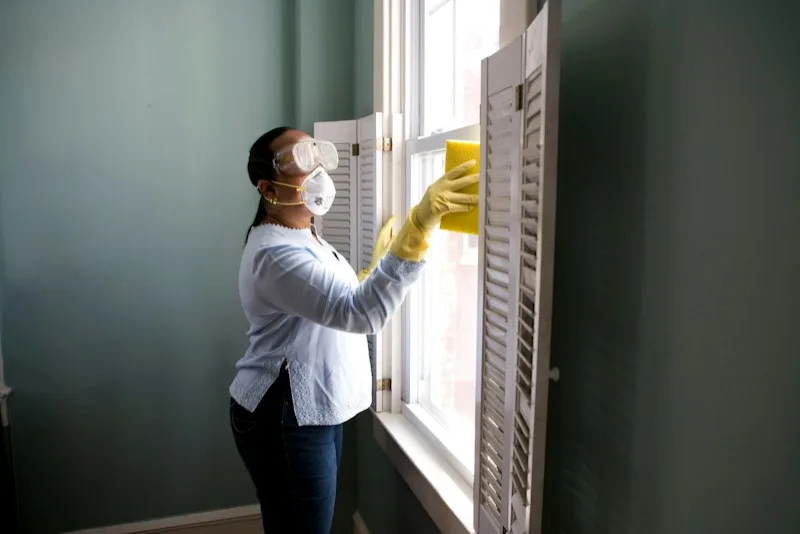
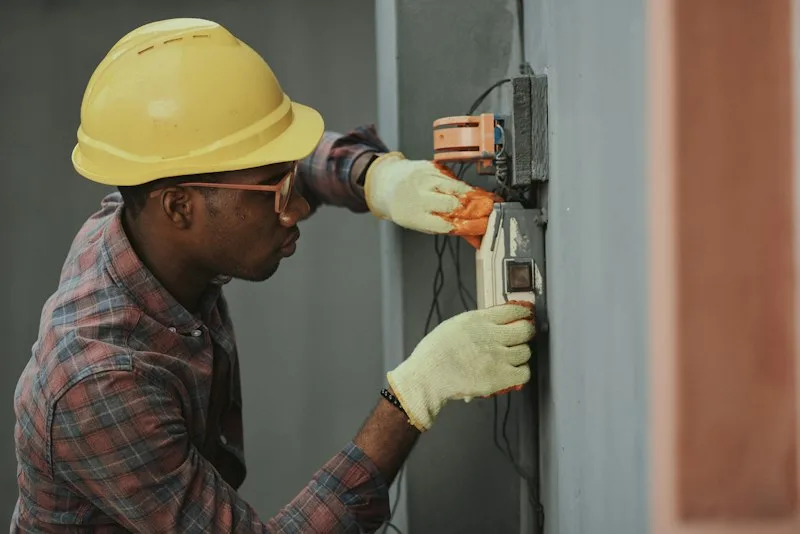
Volatile smoke compounds, burnt protein oils, toxic synthetic soot, and embedded tobacco residues penetrate deeply into gypsum wallboard, subflooring, structural framing, and central HVAC ductwork. Masking sprays and surface washes cannot neutralize microscopic odor molecules trapped within structural pores. Restore Crest deploys industrial thermal fogging, atmospheric hydroxyl oxidation, dry-sponge chem-washing, and biostatic odor-lock encapsulation across Dallas, Highland Park, University Park, Preston Hollow, and the greater DFW metroplex.

Speak directly with an on-duty field supervisor. Immediate dispatch across North Texas in under 45 minutes.
Why thermal convection currents force microscopic volatile organic compounds deep into building assemblies, creating chronic odor reservoirs that reactivate during hot North Texas summers.
Thermal expansion currents pressurize smoke particles (0.01 to 4 microns in diameter), forcing them into capillary pores of drywall, acoustic tiles, and structural timber frames across Dallas building envelopes.
As smoke cools on exterior walls and interstitial cavities, it condenses into a sticky film of polycyclic aromatic hydrocarbons (PAHs) and carboxylic acids. Handled via our certified fire and smoke restoration team.
Dallas summers exceed 100°F while attic spaces hit 140°F. Thermal expansion forces trapped VOCs out of building pores into indoor breathing zones. Discovered across Preston Hollow and Uptown, and solved by Restore Crest Dallas.
Our IICRC Master Restorers deploy bio-enzymatic counteractants, thermal foggers, and hydroxyl generators that cleave odor molecules at the molecular bond level rather than masking. Supported by our full disaster restoration fleet.
Accurate chemical classification is the critical prerequisite for permanent molecular eradication. Each combustion type requires a specialized deodorization strategy.
Produced by the rapid dehydration and carbonization of animal proteins, poultry, fish, and culinary oils during stovetop grease fires and oven burn-offs. Protein soot is virtually invisible to the naked eye, depositing a yellowish, amber varnish across cabinetry, ceiling finishes, and window panes. Despite its subtle visual footprint, burnt protein produces one of the most offensive, pungent, sulfurous odors known in disaster restoration. The lipid molecules bond tenaciously with glossy paints, laminates, and stone counters. Standard detergents slide right over this hydrophobic varnish. Eradication requires bio-enzymatic digesters and solvent-based thermal counteractants that break down cross-linked lipid chains at the molecular level.
Generated when wiring harnesses, circuit breaker panels, PVC conduits, upholstered foam cushions, synthetic textiles, and household appliances smolder under oxygen-starved conditions. Synthetic fires release dense, billowing black soot loaded with chlorinated hydrocarbons, hydrogen chloride gas, and viscous plasticizers. This residue is sticky, electrostatically charged, and smears violently if touched with water or standard sponges. The acrid chemical smell causes immediate respiratory distress, eye burning, and severe headaches. If unaddressed, the acidic gases corrode sensitive home electronics, HVAC components, and copper plumbing pipes, frequently demanding companion commercial facility restoration and electronics protection.
Resulting from structural framing fires, fireplace flue puff-backs, chimney damper failures, and exterior brush or roof blazes. Wood combustion produces dry, powdery, gray or black carbon soot that drifts freely on convective thermal drafts throughout attics, crawl spaces, and wall cavities. Natural wood smoke carries significant quantities of wood creosote, lignin byproducts, and phenolic acids. While dry soot can be removed with vulcanized rubber chemical sponges, the smoky camp-fire odor embeds deeply into open-grained hardwood trim, subfloors, and untreated framing lumber, requiring broad-spectrum thermal fogging paired with high-performance vapor barrier sealants.
Accumulated over months or decades of indoor cigarette, cigar, or pipe smoking in residential rental units, hospitality suites, or newly acquired Dallas real estate properties. Nicotine, tobacco oils, and alkaloid tars form a thick, yellowish-brown crust across every square inch of walls, ceilings, duct interiors, and window glass. Under normal room temperatures, these tars continually off-gas offensive stale odors. During warm weather or when new water-based latex paint is rolled over contaminated walls, the alkaline tar dissolves and bleeds right through the fresh paint film, causing permanent yellow stains and releasing trapped odors, which often complicates underlying microbial inspection and remediation work.
Authentic field photography from residential kitchen recoveries, high-rise thermal fogging, and structural deodorization projects across Dallas County.
Taking incorrect actions immediately following a smoke event can permanently set odors into structural materials and create hazardous indoor chemical exposures.
Our disciplined engineering framework guarantees complete elimination of volatile smoke compounds across all structural materials and building systems.
No deodorization process can succeed while the primary physical odor source remains present. Our technicians systematically inspect structural assemblies to identify and remove all non-salvageable materials that continue to off-gas VOCs. This includes scorched cabinetry, melted appliances, charred drywall, saturated ceiling insulation, and compromised carpet padding. Heavily charred structural timber is either surgically removed or abrasive-blasted with dry ice to eliminate charred wood layers down to virgin lumber. Removing all physical combustion debris eliminates the continuous source of vapor production before chemical neutralizing agents are introduced.
Before applying wet counteractants, all horizontal and vertical structural surfaces are cleaned using specialized vulcanized natural rubber dry chemical sponges. These sponges utilize electrostatic attraction to lift dry carbon soot, particulate films, and loose debris from textured sheetrock, acoustic ceilings, and wood paneling without moisture. Following dry sponge decontamination, surfaces with oily protein or synthetic soot residues are precision-washed using polar solvent detergents, alkaline degreasers, and neutralizing rinses formulated to dissolve cross-linked lipid bonds without eroding base structural substrates.
We establish continuous multi-stage HEPA air filtration using industrial air scrubbers capable of processing up to 2,000 CFM each, fitted with thick extruded coconut-shell activated carbon filters and potassium permanganate canisters to adsorb airborne volatile organics. Concurrently, we deploy industrial optics-driven hydroxyl generators. These units replicate the natural atmospheric cleansing power of sunlight by reacting UV light with ambient moisture to generate hydroxyl radicals (OH*). These radicals circulate naturally throughout the property, attacking odor molecules in the gas phase and decomposing them into harmless carbon dioxide and water vapor without requiring building evacuation.
Thermal fogging is the pinnacle of professional fire deodorization science. Our technicians atomize specialized, petroleum-distillate or glycol-based odor counteractants through heated thermal chambers, producing a dense fog of microscopic droplets measuring between 0.2 and 0.5 microns in size. Because this fog mimics the exact particle size, behavior, and thermal convection dynamics of the original smoke, it penetrates the identical microscopic crevices, cracks, porous gypsum pores, subflooring joints, and wall cavities that the smoke entered. When the fog droplets contact trapped odor molecules, they undergo permanent chemical pairing, modifying the molecule's structure so it can no longer stimulate human olfactory receptors.
If the HVAC system was active during or after the fire, its supply plenums, return trunks, and flex runs are contaminated with settled soot and smoke odors. Operating in compliance with NADCA ACR standards, we isolate the duct system under continuous 5,000 CFM HEPA negative pressure. Our technicians deploy rotary pneumatic whips to scour internal duct walls, clean the evaporator coil fins with foaming neutralizing cleansers, sanitize blower motor wheel assemblies, and fog hospital-grade antimicrobial odor-neutralizing agents through every branch run. This ensures that when the system turns back on, it delivers fresh, odor-free conditioned air rather than re-contaminating the home.
As the ultimate protective barrier, exposed structural framing lumber, floor joists, attic rafters, and subfloor sheathing that experienced heat exposure are coated with commercial-grade pigmented shellac or specialized vapor-barrier encapsulants. Shellac provides an impermeable molecular shield that permanently seals in any microscopic, sub-micron particulates deep within the cellular grain of the wood, completely preventing moisture-driven desorption even during the hottest, most humid Dallas summer conditions. This multi-layered barrier provides permanent peace of mind and preserves structural integrity for decades to come.
Both technologies deliver powerful molecular oxidation, but their chemical mechanisms, safety requirements, and material compatibility differ significantly.
Hydroxyl generators utilize specific UV light spectrums (185nm and 254nm) interacting with naturally occurring ambient water vapor (H2O) to create hydroxyl radicals (OH*). Hydroxyls are one of the most powerful neutralizers found in nature, with an oxidation potential of 2.80V (substantially higher than ozone). They operate safely in occupied structures, meaning property occupants, pets, sensitive plants, artwork, and valuable furnishings do not need to be evacuated during treatment.
Ozone generators use corona discharge electrical currents to split diatomic oxygen (O2) into single atoms, forming trioxygen (O3). The third oxygen atom is unstable and violently oxidizes organic smoke molecules upon contact. While exceptionally rapid and potent for unoccupied single-room purge chambers or vacant real estate gut rehabilitations, ozone is a pulmonary irritant that requires complete property evacuation and precise timed neutralization to avoid material degradation.
Different structural architectures, mechanical air distribution networks, and occupancy demands require customized restoration execution.
Residential homes throughout Dallas feature diverse architectural styles, from historic estates in Highland Park with custom lath-and-plaster walls and intricate millwork, to modern open-concept residences in Preston Hollow, to high-rise condominiums in Uptown Dallas. Each presents distinct odor mitigation challenges:
Commercial smoke incidents—such as restaurant hood flare-ups, hotel electrical fires, or corporate office kitchen accidents—threaten business continuity and revenue every hour doors remain closed. Restore Crest delivers rapid, discreet commercial mitigation designed to minimize downtime:
No hidden fees, no surprise add-ons, and no ambiguous billing. You receive a comprehensive, itemized line-item estimate before any deodorization equipment is turned on.
Our smoke odor removal pricing is calculated using standard industry metrics based strictly on square footage, cubic air volume, material porosity, severity of soot deposition, and required atmospheric technology. You receive a clear, straightforward written estimate featuring three transparent service tiers:
"Smoke odor is not something you can cover up with a fresh coat of paint or a scented aerosol spray. Smoke particles are microscopic chemicals that embed themselves deep within the pores of your drywall, wall studs, subflooring, and air ducts. The moment our North Texas summer heat sets in, those pores expand and release those trapped compounds right back into your living room. At Restore Crest, we treat odor as an engineering challenge. We locate every hidden reservoir, use thermal fogging to penetrate the exact same pores the smoke reached, and neutralize the odor at the molecular level so it never comes back."
Authoritative, technical answers to common questions regarding smoke odor elimination, thermal fogging safety, equipment protocols, and timelines in Dallas, TX.
Smoke particles contain volatile organic compounds (VOCs) that lodge inside the microscopic pores of drywall gypsum, timber framing, and concrete slabs. During hot Dallas summer months, outdoor temperatures exceed 100 degrees Fahrenheit and attic spaces climb above 140 degrees. This intense thermal energy causes structural pores to expand, driving a physical process called desorption, where trapped odor molecules are forced out of the materials and back into your indoor air. Professional thermal fogging and biostatic encapsulation are required to neutralize these deep reservoirs permanently.
Thermal fogging is completely safe when performed by certified IICRC technicians. The process vaporizes specialized odor counteractants into microscopic 0.2 to 0.5-micron droplets that chemically bind with and neutralize smoke molecules. The counteractant itself does not leave an artificial fragrance or sticky residue. Following fogging, the property is thoroughly ventilated with HEPA air filtration equipment, leaving the indoor air clean, neutral, and free of both smoke odors and chemical scents.
Yes. If misused or run at excessively high concentrations, ozone gas (O3) is a strong oxidizer that can degrade natural rubber gaskets, disintegrate foam carpet padding, corrode delicate copper electrical circuits, and bleach textile dyes. For occupied homes or spaces containing sensitive electronics and fine furnishings, Restore Crest utilizes multi-wavelength hydroxyl generators instead. Hydroxyl radicals provide superior odor-neutralizing power without damaging delicate materials or generating hazardous gas concentrations.
A standard residential whole-home smoke deodorization project typically takes between 48 and 72 hours. This timeframe encompasses physical soot removal and dry sponge washing (24 hours), active thermal fogging and HVAC system sanitization (4 to 8 hours), followed by continuous hydroxyl oxidation and HEPA carbon filtration (24 to 48 hours). Severe structural fire events involving extensive char excavation and framing encapsulation may require additional time, clearly detailed in your initial upfront flat-rate estimate.
Yes, 100% elimination is achievable, but it requires a multi-step protocol. Simply painting over nicotine-stained walls will fail, as the alkaline nicotine tar dissolves in water-based latex paint and bleeds through within weeks. We apply heavy-duty alkaline degreasers to extract the surface tar layer, fog the structure with specialized nicotine counteractants, clean the entire HVAC duct network, and seal all walls and ceilings with pigmented white shellac primer before final decorative painting begins.
Standard architectural latex paints and basic PVA primers are breathable, water-based coatings that contain microscopic pores designed to allow vapor transmission. When applied over unneutralized soot or smoke residues, the trapped volatile organic compounds pass directly through the microscopic pores of the new paint film. Within days or weeks, the smoke odor reappears in full strength. Only specialized alcohol-based shellac or solvent-based vapor-barrier primers create an impermeable molecular seal capable of locking in residues permanently.
Protein smoke results from the slow cooking and burning of meats, poultry, fish, and culinary oils. When animal fats burn, they volatilize into complex amino acids, amines, and sulfur compounds. This smoke leaves an almost invisible, amber, oily film that penetrates kitchen cabinets and finishes. Because human noses are biologically sensitive to decaying or burnt animal matter, protein smoke triggers an intense physiological disgust response that feels vastly more offensive than the campfire smell of burnt lumber.
Yes. Soft furnishings, window draperies, oriental rugs, and fine clothing can frequently be completely restored without disposal. Our technicians pack out these items to our dedicated climate-controlled facility, where they undergo specialized hydroxyl chamber treatment, ozone deodorization, ultrasonic cleaning for hard goods, and specialized wet or dry chemical cleaning. You can learn more about this process on our content restoration and pack-out services page.
In the vast majority of cases, ductwork replacement is completely unnecessary. Rigid sheet metal supply runs, return boxes, and trunk lines can be successfully remediated through high-velocity HEPA negative pressure, mechanical rotary whip brushing, and antimicrobial biostatic fogging. Replacement is generally only required if flexible duct lines have suffered direct thermal melting or if internal fiberglass acoustic duct board has become saturated with sticky synthetic soot. Our air duct cleaning specialists inspect your entire duct network before recommending any replacement.
Our rapid-response mobile rigs are stationed along major Dallas transit arteries, including I-35E, US-75, and the Dallas North Tollway, enabling guaranteed arrival times in under forty-five minutes across Dallas County and the DFW metroplex. Contact our on-duty supervisor 24/7 through our emergency dispatch portal or call directly at +1 (214) 491-5611.
Restore Crest operates mobile rapid-response rigs throughout Dallas County, Collin County, Tarrant County, and Denton County, fully documented in our comprehensive DFW service areas directory.
Do not let persistent smoke odors lower your property value or compromise your indoor air quality. Speak directly with our on-duty Restore Crest Dallas smoke odor elimination supervisor right now. We arrive in under forty-five minutes to inspect your property and deploy thermal fogging and atmospheric hydroxyl technology.
Fill out the details below. Our on-duty operations supervisor will contact you immediately.