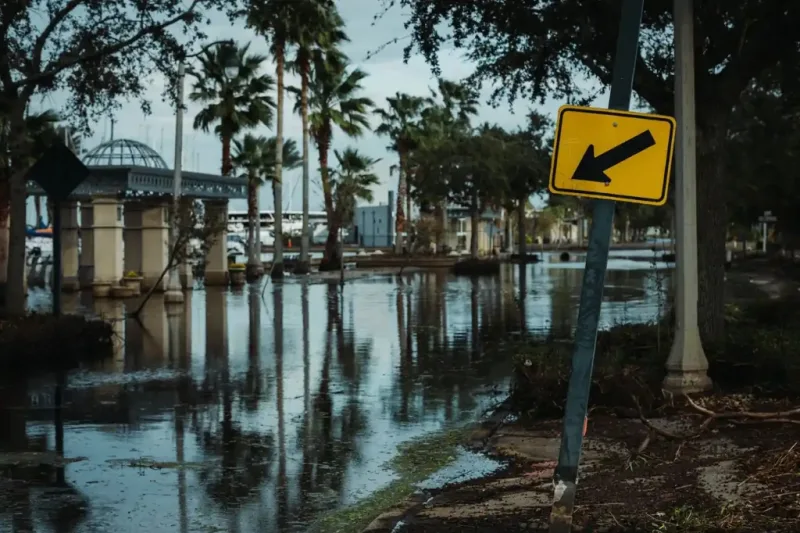
When supercell thunderstorms, microburst wind gusts, baseball-sized hail, or violent tornadic squalls rip shingles, shatter windows, and breach roof assemblies across North Texas, millions of gallons of rainwater saturate living spaces within minutes. Restore Crest deploys rapid 45-minute emergency response teams across Dallas, Preston Hollow, Lakewood, and Lake Highlands. We secure building envelopes with heavy-duty reinforced tarping, extract structural floodwater, stabilize framing, and prevent catastrophic mold growth using industrial LGR drying systems.

Speak directly with an on-duty field supervisor. Immediate dispatch across North Texas in under 45 minutes.
Understanding high-velocity wind shear uplift, hail penetrations, hydraulic rainwater deluges, and rapid microbial amplification.
The Dallas-Fort Worth metroplex sits directly at the southern gateway of Tornado Alley, creating one of the most volatile meteorological collision zones in the United States. When dry desert air masses descending from the west clash with warm, moisture-laden air pumping northward from the Gulf of Mexico, severe supercell thunderstorms develop rapidly across Dallas County. These violent convective storms produce destructive microbursts with straight-line winds exceeding seventy to eighty miles per hour, severe hail up to the size of softballs, and torrential precipitation rates dropping up to four inches of rain within sixty minutes. When intense wind gusts rip asphalt shingles, displace ridge caps, or snap mature post oak and pecan tree branches onto residential rafters, your property's outer weather envelope fails instantaneously.
Once a roof assembly, skylight, or clerestory window is breached during an active North Texas squall line, rainwater does not simply drip into isolated puddles. Gravitational and hydraulic pressure forces hundreds of gallons of exterior runoff through the roofing substrate, soaking blown-in fiberglass or cellulose attic insulation. This saturated insulation acts as a massive thermal sponge, absorbing water until it weighs over twenty pounds per square foot. The sheer weight pulls drywall fasteners through gypsum ceiling boards, causing catastrophic ceiling collapses that send muddy, contaminated rainwater cascading into living rooms, kitchens, and multi-floor stairwells. When this structural deluge occurs, property owners immediately rely on our specialized Dallas ceiling water damage mitigation team to relieve overhead hydraulic weight and install immediate safety shoring.
Simultaneously, violent rainfall overburdens municipal storm drainage infrastructure along the Trinity River basin, Central Expressway US-75, and the Stemmons Freeway I-35E corridor. Water pools against building perimeters, breaching door thresholds and seeping into slab foundations through expansion joints and weep screeds. Saturated building envelopes trigger rapid structural degradation. Untreated timber framing studs absorb moisture through capillary action, warping doorframes and weakening load-bearing assemblies. Because ambient humidity inside a storm-compromised property surges to ninety-nine percent within hours, fungal spores begin colonizing cellulose materials, requiring rigorous deployment from our certified Dallas mold remediation division if scientific structural drying is not completed within the first twenty-four to forty-eight hours.
At Restore Crest, our emergency disaster recovery fleet provides round-the-clock defense against catastrophic storm destruction. With strategic operations headquartered at 1910 Pacific Ave in Downtown Dallas, our mobile disaster response rigs maintain continuous staging across North Texas. Whether dealing with an estate in Preston Hollow stripped of tile roofing by hurricane-force winds, a commercial distribution warehouse in West Dallas with blown-out skylights, or a historic craftsman bungalow in Lakewood flooded by flash surface runoff, our IICRC-trained disaster restoration professionals mobilize with military precision. We deploy immediate weatherproof emergency roof tarping, extract thousands of gallons of standing water, and stabilize your entire structural building envelope. Every emergency mobilization is coordinated directly through our comprehensive restoration services network.
Each severe weather phenomenon inflicts distinct mechanical forces and moisture intrusion pathways requiring specialized structural containment.
North Texas leads the nation in destructive hailstorms. Dense ice stones ranging from one to three inches in diameter strike roof decks at terminal velocities exceeding eighty miles per hour. This violent kinetic impact fractures asphalt shingle fiberglass mats, pulverizes concrete tiles, splits cedar shakes, and punctures flat commercial TPO and modified bitumen membranes. Fractures create immediate direct pathways for driving rainwater to bypass flashing and inundate attic cavities.
Severe thunderstorm squall lines and tornadic microbursts generate extreme aerodynamic low-pressure vortices over roofs. These high-velocity uplift forces pull shingles, starter strips, and ridge vents entirely off the roof deck, exposing raw plywood sheathing to torrential rain. Gale-force winds also topple large tree limbs onto roof trusses, causing sudden structural joist fractures and opening gaping holes that demand our comprehensive emergency structural water extraction.
Intense tropical downpours frequently overwhelm street storm sewers throughout Lake Highlands, Old East Dallas, and Oak Cliff. When flash flood runoff reaches residential perimeters, water surges over slab foundations, through air bricks, and into below-grade basements and crawl spaces. This exterior runoff carries silt, mud, and street contaminants classified as Category 3 black water, requiring our certified Category 3 biohazard sanitization protocols.
Following a severe North Texas summer thunderstorm, exterior temperatures typically rebound rapidly into the nineties and hundreds. When extreme ambient heat bakes a roof deck that has suffered rainwater intrusion, the enclosed attic cavity transforms into a superheated botanical greenhouse. Relative humidity spikes to one hundred percent, while temperatures inside unventilated attic spaces exceed 120 degrees Fahrenheit. This thermodynamic microclimate accelerates mold spore germination within eighteen to twenty-four hours. Rapid emergency roof tarping and immediate structural ventilation are essential to stabilize vapor pressure before toxic fungi infest wooden roof trusses, subfloors, and interior living quarters across our Dallas-Fort Worth service coverage area.
From emergency envelope enclosure to thermodynamic psychrometric drying, every step follows certified IICRC S500 and S520 structural restoration standards.
Upon arrival within 45 minutes of your dispatch call, our lead field supervisor immediately secures the job site. Severe storms frequently cause downed overhead power lines, energized standing water, compromised structural rafters, and shattered exterior glass. We coordinate electrical disconnects if breaker panels are damp, establish perimeter safety barriers, and conduct a detailed 360-degree exterior and interior inspection. Using non-destructive FLIR thermal imaging cameras, we map water migration paths through ceilings, exterior wall cavities, and flooring assemblies, creating a comprehensive digital baseline of all affected materials before work commences.
Before interior extraction begins, secondary water intrusion must be halted immediately. Our crews ascend roofs using certified fall-arrest safety harnesses and deploy heavy-duty twelve-mil reinforced, UV-resistant poly tarps over breached roofing sections. Unlike amateur temporary fixes that use bricks or loose nails that tear in the wind, our technicians secure tarps with engineered wood batten furring strips screwed securely through structural rafters. The tarp is wrapped completely over the roof ridge to eliminate wind-lift shear. Smashed windows and blown-in doors are secured with structural 5/8-inch exterior-grade CDX plywood assemblies to prevent subsequent rain penetration and secure the building envelope against unauthorized entry.
With the outer envelope weather-sealed, our technicians deploy industrial truck-mounted extraction platforms and high-flow submersible trash pumps. We extract thousands of gallons of standing water from hardwood flooring, carpeted rooms, and basement slabs. In the attic space, saturated cellulose and fiberglass insulation is mechanically extracted using negative-pressure insulation vacuum hoses directly into sealed outdoor waste disposal trucks. Removing hundreds of pounds of saturated insulation relieves dangerous downward gravitational deflection on ceiling joists, preventing catastrophic drywall cave-ins and allowing framing lumber to dry.
Restore Crest operates with an uncompromising preserve-in-place philosophy. We never tear out materials unnecessarily. However, structural integrity requires the surgical removal of non-salvageable, water-logged drywall sections that trap moisture against framing studs. Technicians perform precision flood cuts sixteen to twenty-four inches above the moisture line, removing wet baseboards and drilling unobtrusive weep ports to facilitate direct air movement behind walls. Solid wood floors are immediately connected to specialized negative-pressure vacuum extraction mats, pulling trapped water out from tongue-and-groove joints to reverse cupping and prevent costly floor replacement, coordinated alongside our burst pipe hardwood drying protocols.
Rainwater entering through damaged roofs washes down soot, bird droppings, dust, and organic debris from exterior building shingles, degrading rapidly into contaminated Category 2 or Category 3 water. Our technicians apply EPA-registered, hospital-grade botanical antimicrobial solutions to all exposed framing timber, concrete slabs, and subflooring assemblies. This broad-spectrum application neutralizes airborne fungal spores, eradicates bacterial pathogens, and halts wood-decaying organisms without releasing toxic synthetic chemical fumes into your living space.
We establish a scientific closed drying chamber by deploying commercial Low Grain Refrigerant (LGR) dehumidifiers, industrial desiccant units, and high-velocity centrifugal air movers. Aerodynamic air movers create laminar airflow across damp surfaces, accelerating the evaporation of bound moisture molecules into the air. Our commercial dehumidifiers continuously condense this airborne vapor and pump hundreds of pints of water out of the building daily. Certified technicians visit your property daily to measure relative humidity, dew points, grains per pound (GPP), and timber moisture content using pinless RF sensors. We continue drying until all structural assemblies return to verified Dallas dry baseline standards (typically nine to twelve percent moisture content).
Taking correct, proactive precautions during the initial minutes of a storm disaster protects your family from electrical shock, falling ceilings, and structural collapse.
Managing large-scale structural storm deluges demands commercial-grade equipment capable of removing thousands of gallons of water per hour.
Low Grain Refrigerant (LGR) dehumidifiers are the workhorses of structural drying. Engineered with an internal pre-cooling heat exchanger, these industrial machines continue drawing bound water vapor from structural timber framing even when ambient indoor humidity drops to thirty percent. Each commercial unit extracts up to two hundred pints of liquid water from indoor air every twenty-four hours.
Storm deluges dislodge decades of accumulated attic dust, insulation fibers, fungal spores, and exterior particulate matter into indoor breathing zones. Our commercial HEPA air scrubbers process up to five hundred cubic feet of air per minute through three-stage filtration, capturing 99.97% of airborne particulates down to 0.3 microns and maintaining hospital-grade indoor air purity.
Our emergency weatherization rigs carry high-tensile twelve-mil cross-laminated polyethylene tarps with heavy UV stabilizers, engineered to withstand seventy-mile-per-hour winds without tearing. Tarps are secured using treated two-inch wood batten furring strips and exterior structural fasteners, ensuring a watertight, airtight mechanical seal over roof valleys, ridges, and hips.
When violent thunderstorms flood basements or living areas with standing water, portable shop vacuums are woefully inadequate. Our heavy-duty Ford F-550 and Freightliner response units house engine-driven positive-displacement vacuum blowers capable of extracting hundreds of gallons of water per minute across continuous hose runs up to three hundred feet.
Different building architectures, roof assemblies, and occupancy types require specialized emergency disaster strategies.
Residential storm damage in neighborhoods like Preston Hollow, Highland Park, Lakewood, and Lake Highlands typically impacts steep-slope asphalt shingle, standing seam metal, or custom slate tile roofs. Saturated attic insulation, damaged ceiling drywall, and water-soaked solid hardwood floors require gentle, non-destructive drying techniques. Our residential crews focus on preserving original architectural woodwork using vacuum floor mats, isolating private living areas, and ensuring the health and safety of your family.
Commercial properties in Downtown Dallas, the Stemmons Corridor, and industrial zones along I-35E feature low-slope flat roofs with single-ply TPO, EPDM, or built-up gravel membranes. When hail punctures flat roofs or wind tears away parapet wall metal, water saturates commercial ceiling tiles, high-bay lighting, and inventory. We deploy large-loss commercial mitigation teams coordinated with our commercial water damage restoration unit, establishing containment zones so business operations can continue with minimal disruption.
When severe weather strikes multi-story apartment complexes in Uptown or North Dallas, roof breaches allow water to cascade through multiple tenant units simultaneously. A single damaged roof vent can inundate four vertical floors of living spaces. Restore Crest executes comprehensive multi-unit stabilization, performing synchronized thermal scans, setting up centralized extraction hubs, and providing detailed daily drying metrics directly to property managers and HOA board directors.
You deserve total financial clarity during a weather disaster. Restore Crest provides itemized flat-rate written estimates before equipment is energized or tarps are anchored. No surprise dispatch fees, no hidden surcharges.
Designed for properties with localized hail penetrations, missing shingles, or punctured skylights requiring immediate envelope sealing before rain resumes.
Full structural stabilization for properties suffering both roof breach and interior rainwater deluge across multiple living areas or bedrooms.
Tailored emergency disaster response for extensive tornadic roof shears, fallen structural trees, commercial complexes, and multi-story apartment communities.
All pricing is backed by our 100% Upfront Direct Pricing Guarantee. We explain every line item clearly in writing before work begins. We accept all major credit cards, corporate checks, and wire transfers. Verified by our five-star track record on our customer testimonials and reviews page.

"When a severe hail squall or tornadic thunderstorm tears through Dallas, minutes make the difference between a salvageable property and irreversible structural destruction. My promise to every North Texas property owner is unwavering: our crews arrive fully equipped within forty-five minutes, we secure your roof envelope with battle-tested lumber-batten tarps that withstand seventy-mile-per-hour winds, and we dry your home in place using rigorous psychrometric science. We provide 100% upfront flat-rate itemized estimates before turning on our machines, so you always have total clarity and peace of mind."
Technical answers to critical questions regarding roof tarp durability, drying timelines, ceiling collapse risks, and upfront flat rates across Dallas, TX.
Our average emergency dispatch response time is under forty-five minutes across Dallas County and the DFW metroplex. We maintain pre-staged emergency response trucks loaded with twelve-mil reinforced tarps, lumber battens, truck-mounted extraction platforms, and commercial LGR dehumidifiers positioned near primary highway arteries including Central Expressway US-75, Stemmons Freeway I-35E, and I-635. When severe supercells strike North Texas, our crews mobilize immediately to stop water intrusion before irreversible structural saturation occurs.
A professionally engineered emergency roof tarp installed by Restore Crest provides durable weather protection for thirty to ninety days. We utilize heavy-duty twelve-mil poly tarps infused with UV inhibitors to prevent sun breakdown. Crucially, our technicians do not rely on sandbags or loose nails; we mechanically anchor tarps using treated wood furring strips screwed through the tarp seams into roof rafters, wrapping the poly over the ridge line to eliminate wind-shear uplift during subsequent North Texas squall lines.
Yes, provided conditions allow safe ladder staging and our technicians can operate without active lightning hazards or tornadic wind shear. If torrential rain and lightning make immediate roof ascent hazardous, our technicians immediately secure the interior envelope. We stage industrial catch basins, perform controlled hydraulic ceiling drainage to prevent ceiling collapse, extract standing rainwater, and ascend the roof the moment violent lightning passes to anchor the exterior tarp.
A drooping ceiling drywall bladder is an immediate safety threat. Saturated drywall and wet cellulose attic insulation can suddenly drop hundreds of pounds onto occupants below. Immediately place large buckets or plastic trash bins directly beneath the sag. Then, standing safely to the side, carefully pierce the center of the drooping drywall blister with a long screwdriver or nail to create a controlled drain hole. This relieves hydraulic weight gradually, preventing catastrophic full-sheet collapse. Follow up by calling our 24/7 Dallas emergency triage line immediately.
Under IICRC S500 psychrometric drying protocols, standard residential and commercial structural assemblies typically require three to five days of active industrial dehumidification. Denser assemblies like multiple subfloor layers, hardwood flooring, or solid masonry require specialized desiccant drying that may take five to seven days. Our technicians visit your property daily to measure timber moisture percentages against regional Dallas equilibrium standards, ensuring no equipment is removed until structural dryness is certified.
Rainwater falling through the sky starts as clean water, but the moment it travels over roof shingles, flashing, bird droppings, soot, and through rodent-inhabited attic insulation, it immediately becomes Category 2 grey water or Category 3 black water. Saturated porous insulation must be extracted, and all framing rafters must be sanitized with EPA-registered botanical antimicrobials to eliminate dangerous biological pathogens, mirroring our certified biohazard decontamination procedures.
Yes, if mitigation begins promptly within twenty-four to forty-eight hours of intrusion. Restore Crest deploys commercial negative-pressure vacuum injection mat systems that seal tightly over saturated oak, maple, and engineered hardwood flooring. High-vacuum suction pulls trapped moisture directly up from the subfloor through the tongue-and-groove plank joints, equalizing moisture gradients and reversing plank cupping without demolition, just as detailed on our burst pipe hardwood salvage guide.
Yes, 100%. We operate under a strict policy of transparent, itemized flat-rate pricing. Before our crews climb a ladder to tarp your roof or power on heavy extraction pumps, our field supervisor provides a written scope of work detailing square footage, equipment units, and labor charges. You approve all rates upfront with zero hidden fees or unexpected billing surprises. Reach out to our central desk at Restore Crest Dallas headquarters anytime.
Preventing mold after a storm requires immediate psychrometric intervention. Mold requires ninety-nine percent relative humidity and organic cellulose materials to germinate, which can occur within twenty-four to forty-eight hours. We rapidly drop indoor relative humidity below forty percent using commercial LGR dehumidifiers, extract wet drywall and insulation, and coat all exposed wood framing studs with EPA-registered botanical antimicrobials, coordinating directly with our dedicated Dallas mold remediation division.
We provide full emergency storm damage and roof tarping coverage across Dallas County, Collin County, Denton County, and Tarrant County. Our rapid-dispatch teams routinely service Downtown Dallas, Uptown, Highland Park, University Park, Preston Hollow, Lakewood, Lake Highlands, Plano, Frisco, McKinney, Irving, Carrollton, and Fort Worth. Review our complete coverage territory on our DFW service areas page.
Stationed near major Dallas transport arteries for guaranteed emergency arrival within forty-five minutes of dispatch.
Every passing minute allows rainwater to migrate deeper through attic insulation, rot structural ceiling joists, and trigger secondary mold growth. Speak directly with our on-duty storm damage field supervisor right now. We arrive within forty-five minutes with heavy-duty tarps and high-capacity extraction platforms.
Fill out the details below. Our on-duty disaster recovery supervisor will contact you immediately.